Silicone vs. Saline vs. Fat Transfer: Which Breast Augmentation Is Right for You?
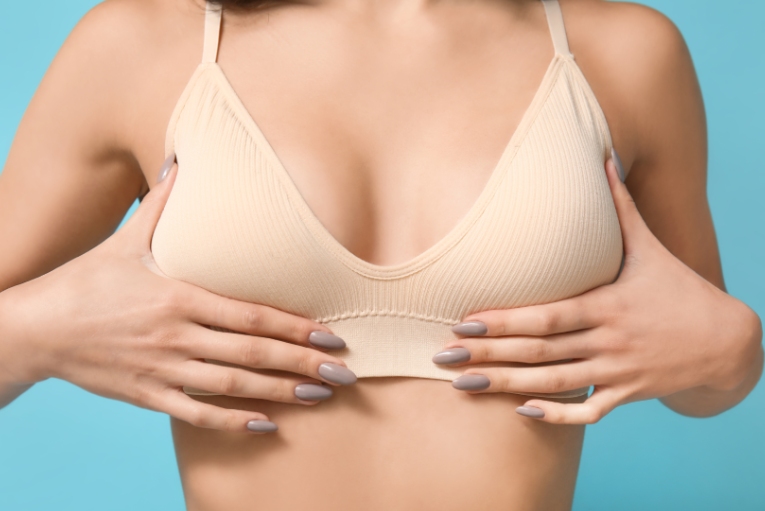 Breast augmentation remains one of the most popular cosmetic procedures worldwide, offering patients in Orlando and beyond the opportunity to enhance the size, shape, and profile of their breasts. Understanding the differences between each breast enhancement option is essential to making an informed, confident decision about which procedure is most ideal for your goals.
Which Breast Augmentation Technique is Right for Me?
When comparing silicone breast augmentation, saline breast augmentation, and fat transfer, lifestyle and long-term considerations play a significant role. Patients who desire substantial size increases or more predictable control over the outcome often gravitate towards implants, as they provide stable and consistent volume. That said, those seeking subtle enhancement or refinement may find fat transfer more aligned with their goals. Age, future pregnancy plans, weight fluctuations, and athletic activity can also influence the best choice. For example, highly active patients may prioritize a softer feel and more natural movement, while others may value the peace of mind that comes with immediate detection of implant deflation.
Safety and longevity are key factors in the decision-making process. Both silicone and saline implants are FDA-approved and have extensive safety records, but they are not considered lifetime devices. Most patients who want implants should consider the possibility of future revision surgery due to aging, implant wear, or aesthetic changes over time. Fat transfer, while avoiding implants altogether, may require staged procedures to achieve the desired volume and maintain long-term results. Regardless of the method chosen, working with a board-certified aesthetic plastic surgeon like Dr. Jon Paul Trevisani helps ensure that safety protocols, proper technique, and individualized planning are prioritized.
Silicone Implants: Natural Customization
Silicone breast implants are often considered the gold standard for patients seeking the most natural look and feel in their breast augmentation. Filled with cohesive silicone gel, these implants closely mirror the consistency of natural breast tissue, making them especially appealing to patients with minimal existing breast volume or thinner skin coverage.
Silicone implants tend to have less rippling than saline implants and are available in a wide range of shapes, profiles, and sizes, allowing for highly customized results. Many patients appreciate the soft, realistic movement of silicone implants, particularly when the goal is a natural enhancement rather than an obviously augmented appearance. With modern techniques using the Keller Funnel™, silicone implants can now also be placed using shorter incisions than traditional approaches. These implants keep their shape in the rare event of rupture, therefore periodic imaging such as an ultrasound or MRI is recommended to monitor implant integrity.
Saline Implants: Reliable Results
On the other hand, saline breast implants are filled with sterile saltwater and often inserted empty, then filled once in place. While saline implants visibly deflate in the rare event of rupture, periodic imaging tests and mammograms are still necessary to monitor the condition of the implant. That said, in the rare event of a tear or leak, the saline is safely absorbed by the body. Saline implants may not feel as natural as silicone devices, but they can be a reliable option for patients who wish to avoid silicone implants.
Breast Augmentation Using Fat Transfer: Subtle Enhancement
Also known as “natural breast augmentation,” fat transfer to the breasts offers a technique that can soften the edges of an implant or address issues with asymmetry. However, fat grafting alone is not enough to provide a noticeable size increase. This approach uses liposuction to harvest fat from areas such as the abdomen, flanks, or thighs, which is then purified and carefully injected into the breasts.
Fat transfer appeals to patients who desire modest volume enhancement, improved breast shape, or correction of asymmetry without the use of implants. Since a patient’s own fatty tissue is used, the results look and feel completely natural, and there is no risk of implant-related complications. Plus, fat transfer offers the added benefit of body contouring at the donor site. However, fat transfer is limited in the amount of volume it can reliably add — typically about one cup size — and not all transferred fat survives long-term. Patients must also have sufficient donor fat available, making this option less ideal for very lean individuals.
How Do I Choose a Breast Augmentation Technique?
Ultimately, each method of breast augmentation is highly personal and depends on your anatomy, aesthetic preferences, and long-term expectations. Silicone implants are often ideal for patients seeking the most natural feel and appearance, while saline implants may appeal to those who value straightforward rupture detection. Fat transfer is often best suited for patients desiring subtle, natural enhancement using their own tissue. A thorough consultation with an experienced plastic surgeon like Dr. Jon Paul Trevisani is essential to explore these options in more detail.
Dr. Jon Paul Trevisani can enhance your breast contours with advanced techniques designed to achieve noticeable, lasting rejuvenation. Please don’t hesitate to contact The Aesthetic Surgery Centre today at our Orlando practice for more information on our breast procedures or if you’re ready for a consultation with Dr. Jon Paul Trevisani.