Most men know a healthy diet and a regular exercise regimen are key components to maintaining a toned, athletic looking body. However, even very active men who eat a diet consisting of lean meats, fruits, vegetables, and complex carbohydrates may find their body stores pockets of stubborn fat in certain areas. The lower abdomen, flanks (“love handles”), and sometimes the chest are common areas of the body where men may feel they are carrying a little extra weight that prevents their exercise and diet efforts from being fully seen. To help these men achieve the definition they are striving for, CoolSculpting® can be used to eliminate this layer of excess fat. Ideal candidates for CoolSculpting® are already at or near their ideal weight and seek... Continue Reading
FAQS & Blog
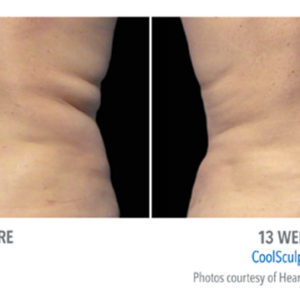
Many people who lead active lifestyles and eat a healthy diet still struggle with isolated pockets of fat. Certain areas of the body, like the abdomen and flanks (or “love handles”), can be very difficult to target and tone. Patients frequently visit our office wanting to know the best way to get rid of these small areas of excess fat that may be preventing them from fully achieving their cosmetic goals. CoolSculpting® is designed for men and women who are at or near their ideal weight but have not yet achieved the results they expected. By targeting the most troublesome areas of the body, Dr. Jon Paul Trevisani uses this nonsurgical body sculpting treatment to permanently eliminate fat cells and reveal a slimmer, more toned... Continue Reading
Is there such a thing as the perfect age for a facelift? The truth is there may be an ideal age range for each individual, but there is no specific age that is right for everyone. Our experienced plastic surgeon, Dr. Jon Paul Trevisani, emphasizes that cosmetic procedures should be customized to suit the unique anatomic needs and aesthetic goals of the patient, including a facelift. Designed to reduce excess fat and skin, tighten muscles, and minimize the appearance of other common signs of aging, a facelift will provide the greatest benefit when performed by a skilled physician, regardless of your age. Most of our patients undergo facelift surgery in their 50s, but some people have this procedure as early as their 40s and others... Continue Reading
The eyes are often the first area of the face to start showing signs of aging. Eyelid skin can begin to sag, fatty tissue can build up, and the result can be a face that appears tired or sad. Eyelid surgery, medically referred to as blepharoplasty, can address these issues and help you regain a more rested and youthful look. Our extensively trained plastic surgeon, Dr. Jon Paul Trevisani, offers the most advanced techniques available, and he’s renowned for his natural-looking results. Blepharoplasty can be performed on the upper eyelids, the lower eyelids, or both. If most of your concerns are relegated to either the upper or lower lids, it may make sense to focus your treatment there. Many patients, however, have signs of aging... Continue Reading
One of the most exciting non-surgical treatments now available is CoolSculpting®. This innovative technology can reduce the size of fatty deposits on a wide range of body areas. If you’re close to reaching your goal weight but still have a few stubborn pounds remaining, you may wonder whether CoolSculpting® or liposuction is a better option for you. Dr. Jon Paul Trevisani, our board certified plastic surgeon, explains the benefits of each procedure to help you determine the best approach for your goals: CoolSculpting® can reduce fatty tissue in a targeted area by using cold energy, which is designed to break down fat cells. With this procedure patients can see as much as a 20 percent reduction in fat in the treated region. Furthermore, this approach... Continue Reading
For many patients, the lower abdomen often remains a major cosmetic concern in spite of a healthy diet and routine exercise. When you spend a significant amount of time and energy eating well and working out, frustration at stubborn pockets of fat or lingering excess skin can develop. Fortunately, our extensively trained plastic surgeon, Dr. Jon Paul Trevisani, offers two body contouring procedures that can effectively create the silhouette you have been working toward. If there is a layer of fat around your midsection that seems resistant to traditional methods of weight loss, liposuction may be the ideal procedure. Also used to slim areas of the body such as the arms, chin, flanks (hips), or knees, liposuction often can effectively remove unwanted fat for a... Continue Reading
An abdominoplasty—more commonly called a tummy tuck—is designed to eliminate excess skin around the midsection as well as tighten the underlying abdominal muscles. An incision is made from one hip to the other to achieve a flatter stomach, repair stretched or torn muscles beneath the skin, and redrape the remaining skin. Although most patients are ultimately very happy with their tummy tuck results, prospective patients are often nervous about the placement and appearance of the scar. During the consultation process, board certified plastic surgeon Dr. Jon Paul Trevisani will review your expectations as well as perform a physical exam to give you an idea of where the incision will be placed. By making the surgical incision low on the abdomen, the resulting scar can typically... Continue Reading
Breast augmentation continues to be one of the most popular plastic surgery procedures — in fact, the American Society of Plastic Surgeons recently reported that it is still the #1 cosmetic surgery procedure, with 279,143 breast augmentations performed in 2015. Unfortunately, some women interested in breast enhancement might perceive it as a procedure only younger women undergo, and therefore avoid it. However, the truth is that there is no age limit when it comes to breast augmentation. Candidacy is actually determined by other factors, such as the patient’s overall health. While a patient’s age does not necessarily disqualify them from receiving breast implants, it can sometimes affect their aesthetic goals — for example, a younger patient is likely to be mostly concerned with increasing their... Continue Reading